
The Warm Tradition of British Hot Cross Buns: History and Cultural Meaning
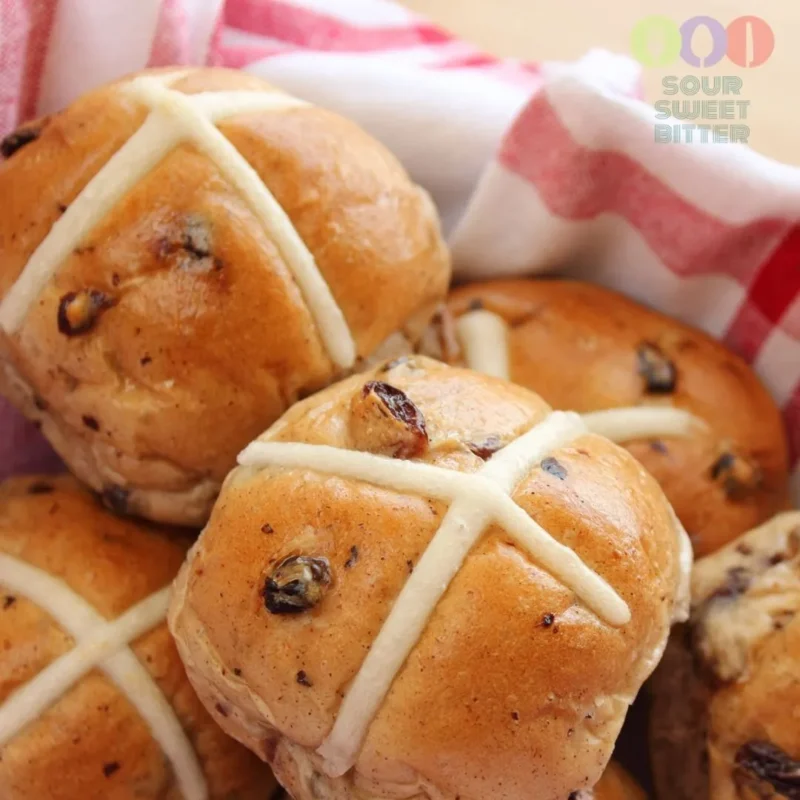
A soft, spiced bun marked with a simple cross feels like spring itself. These British favourites, filled with dried fruit and warm spices, have brightened Good Friday tables for centuries. They mark the end of Lent and the approach of Easter. Far more than a bakery treat, hot cross buns carry layers of history, faith, and everyday folklore that still shape British life today.
From Ancient Symbols to Christian Tradition
People have marked bread with crosses for a very long time. Ancient Greeks and Romans scored loaves this way. Some marks may have shown the seasons or the moon’s phases. In Britain, Anglo-Saxon communities baked special breads to honour the spring goddess Eostre. Her name later linked to the word Easter. The cross on those early loaves stood for the four quarters of the moon or the cycle of the year.Christianity gave the cross a new meaning. It came to represent the crucifixion of Jesus. The spices inside the bun recalled the spices used to prepare his body for burial. By the Middle Ages, bakers reserved the crossed mark mainly for Good Friday bread. One well-known story places the start of the modern bun at St Albans Abbey. In 1361, a monk named Brother Thomas Rocliffe (sometimes called Rodcliffe) baked small spiced cakes marked with a cross. He gave them to the poor on Good Friday. People loved the Alban buns so much that the recipe spread. St Albans Cathedral still bakes a version of them each year.
Rules, Street Cries, and Growing Popularity
The buns became so popular that authorities tried to control them. In 1592, under Queen Elizabeth I, London officials banned the sale of spiced buns except on Good Friday, Christmas, and for funerals. Officials linked the treats to Catholic practices and wanted to limit them. People simply baked the buns at home instead. The rule eventually faded.By the 1700s, vendors sold the buns openly on the streets. Sellers called out the familiar cry: “One a penny, two a penny, hot cross buns.” The phrase entered a nursery rhyme that children still know. Writers such as Samuel Pepys and Dr Johnson mentioned enjoying them. The buns moved from religious observance into everyday British culture while keeping their Easter link.
Folklore, Superstitions, and Everyday Meaning
Hot cross buns gathered a rich collection of beliefs. Many people thought a bun baked on Good Friday would never go mouldy. Families hung one from the kitchen ceiling for a full year. They believed it protected the house from fire and helped every loaf rise well. Sailors carried a bun on long voyages for good luck against shipwreck. Friends sometimes shared a bun on Good Friday as a sign of lasting friendship. Some even crumbled an old piece into water as a simple remedy for illness.These customs show how the bun became more than food. It turned into a small charm of protection, friendship, and continuity. The cross on top reminded people of both Christian faith and older seasonal hopes for renewal after winter.
Why Hot Cross Buns Still Matter Today
Today you can buy hot cross buns almost all year round in British shops. Bakers offer classic versions with currants and mixed peel alongside modern twists such as chocolate, toffee, or apple and cinnamon. Yet the traditional bun still appears most strongly at Easter. Families toast them, spread them with butter, and share them with tea. The scent of spice and fruit fills kitchens and bakeries each spring.The treat keeps its quiet power because it connects generations. It links pagan spring celebrations, medieval charity, Reformation-era rules, and modern family tables. A hot cross bun is soft, fragrant, and marked with meaning. It reminds people of faith, friendship, and the simple joy of sharing something warm after a long winter.
Discover Traditional British Recipes Discover Traditional European Recipes You may like this also: Azerbaijani ShekerburaIngredients
For the buns:
For the crosses:
For the glaze:
Instructions
Make the dough
- In a large bowl, mix the flour, sugar, mixed spice, cinnamon, lemon zest, salt and yeast (keep salt and yeast on opposite sides of the bowl).
- Rub in the butter (or add melted butter).
- Add the lukewarm milk and beaten egg. Mix to a soft, sticky dough.
- Knead on a lightly floured surface for 8–10 minutes until smooth and elastic (or use a stand mixer with dough hook for 5–6 minutes).
- Knead in the dried fruit and mixed peel until evenly distributed.
- Place the dough in a lightly oiled bowl, cover with a clean tea towel or cling film, and leave in a warm place for 1–1½ hours until doubled in size.
Shape the buns
- Knock back the dough and divide into 12 equal pieces (about 80–90 g each). Shape each into a smooth ball.
- Place on a lined baking tray, leaving a little space between them. Cover and leave to prove for 30–45 minutes until well risen and almost doubled.
Make the crosses
- Mix the plain flour with enough cold water to form a thick, smooth paste. Spoon into a piping bag (or a plastic bag with the corner snipped off) and pipe a cross on top of each bun.
- Preheat the oven to 220°C (200°C fan / Gas 7).
- Bake for 12–18 minutes until golden brown and the bases sound hollow when tapped.
- While still hot, brush the buns generously with the warm golden syrup (or sugar syrup/jam glaze) for a sticky, shiny finish.
- Cool on a wire rack.
- Your traditional Hot Cross Buns is ready. Bon Appetit!