
Aish El Saraya, or “palace bread,” is a traditional, no-bake Levantine dessert featuring syrup-soaked bread topped with ashta cream and pistachios, symbolizing hospitality and rich cultural history. It is a popular, indulgent staple in Lebanese cuisine, often served during celebrations, that has evolved from Ottoman-era kitchens into a cherished home-cooked delicacy.
The Timeless Allure of Lebanese Aish El Saraya: A Dessert of Palaces, Heritage, and Home
In the heart of Lebanese cuisine, few desserts capture the spirit of celebration and everyday elegance quite like Aish El Saraya. Known as “palace bread,” this layered sweet of syrup-soaked toast or breadcrumbs crowned with creamy ashta and a scatter of pistachios feels both luxurious and comforting. More than a treat for the table, it carries layers of history and cultural meaning that stretch across the Levant and beyond.
What Aish El Saraya Represents
Aish El Saraya (also spelled Aish as-Saraya or Eish el Saraya) is a no-bake dessert built from simple elements transformed into something special. Toasted or dried bread soaks up a fragrant sugar syrup often scented with rose water and orange blossom water. A generous layer of ashta—thick, delicate clotted cream—covers it, and chopped pistachios add color, crunch, and a nutty finish. The result is soft, creamy, and aromatic without relying on eggs or butter.
The name itself tells part of the story. “Aish” means bread (and in some Arabic dialects also evokes life or sustenance), while “saraya” comes from Turkish roots referring to a palace or royal residence. Together they signal “bread of the palace”—a dish once associated with the kitchens of the elite.
Historical Roots and Evolution
The precise origins of Aish El Saraya remain open to discussion among food historians. Many link it to the Ottoman era, when a similar pudding called saray etmeği (palace bread) appeared in the 19th century. It was prepared with kaymak (a rich clotted cream) and the crusts of fine white bread baked in the sultan’s kitchens. Over time the bread component shifted toward a firmer rusk, sometimes called Damascus rusk. An 1895 Arabic-English dictionary even described it as a kind of Turkish cake eaten with cream.
Some accounts push the roots further back, suggesting possible influences from the Fatimid Caliphate. What is clearer is that the dessert’s luxurious ingredients—fine cream, nuts, and quality bread—were once more readily available in palace settings than in ordinary households. The name likely reflects that association with abundance and refinement. Under Ottoman influence the sweet took hold across the Levant, including Lebanon, Syria, Palestine, and Jordan, and also became popular in Egypt.
In Lebanese kitchens the dish adapted to local tastes while keeping its core identity. Families turned leftover or day-old bread into something celebratory, a practical elegance that remains part of its charm. By the modern era it had settled into both home cooking and sweet shops, served at everyday gatherings and major occasions alike.
Cultural Significance in Lebanese Life
In Lebanon, Aish El Saraya is far more than a dessert—it is a marker of hospitality, family continuity, and shared joy. It often appears during Ramadan, Eid celebrations, weddings, and other festive moments, where its fragrant sweetness signals generosity and welcome. The contrast between the humble bread base and the rich cream topping mirrors a broader cultural value: transforming the ordinary into the memorable.
Recipes travel through generations, carried by mothers, aunts, and grandmothers who adjust the balance of rose water, the thickness of the ashta, or the amount of pistachios according to household preference. For many Lebanese families, especially those in the diaspora, tasting or preparing Aish El Saraya becomes a tangible link to home, memory, and identity. It evokes gatherings around large trays, the scent of orange blossom filling the kitchen, and the quiet pride of serving something both traditional and refined.
The dessert also embodies a resourceful spirit common in Levantine cooking. What began as a way to use leftover bread evolved into a symbol of accessible luxury—fit for a palace yet achievable in an ordinary home. That balance helps explain its lasting place at the table: it feels special without being distant.
Why It Continues to Matter
Today Aish El Saraya remains a fixture of Lebanese and Levantine sweet tables, appearing in homes, restaurants, and bakeries. Its flavors—floral, creamy, lightly caramelized—speak to a culinary heritage shaped by trade, empire, and local adaptation. At the same time, its straightforward preparation keeps it approachable for new generations who want to cook with intention and connection.
Whether served chilled in summer or slightly warmer in cooler months, the dessert invites people to slow down and share. In a fast-changing world, Aish El Saraya quietly affirms the value of tradition, the pleasure of simple ingredients elevated with care, and the enduring role of food in binding families and communities.
Exploring Lebanese Aish El Saraya is ultimately an invitation to taste history and hospitality in every spoonful—a palace bread that belongs as much to the home as it once did to the court.
Discover Traditional Lebanese Recipes Discover Traditional Recipes from Asia You may like this also: Uzbek Chak-Chak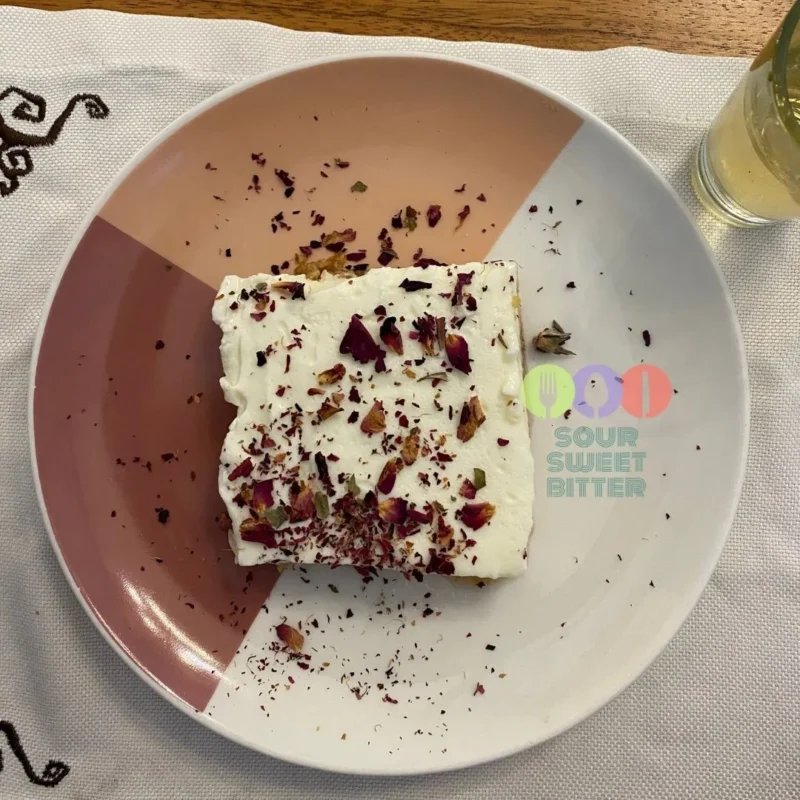
Lebanese Aish El Saraya
Ingredients
For the bread base
For the syrup (qatir)
For the ashta (cream)
For garnish
Instructions
- Toast the bread slices until lightly golden and crisp. Arrange them in a single layer at the bottom of the dish.
Prepare the syrup:
- In a saucepan, combine the sugar, water, and lemon juice. Bring to a boil, then simmer for about 10–12 minutes until the syrup slightly thickens. Remove from heat and stir in the orange blossom water.
- Pour the hot syrup evenly over the toasted bread so it is fully soaked. Let it cool and absorb.
Prepare the ashta cream:
- In a cold saucepan, whisk together the milk, heavy cream, fine semolina, cornstarch, and sugar (if using) until completely smooth with no lumps.
- Place over medium heat and cook, stirring constantly, until the mixture thickens to a creamy, custard-like consistency.
- Remove from heat and stir in the orange blossom water. Let it cool slightly, stirring occasionally to prevent a skin from forming.
- Spread the cooled ashta evenly over the syrup-soaked bread layer. Smooth the surface.
- Sprinkle the chopped pistachios generously over the top.
- Cover and refrigerate for at least 3–4 hours (preferably overnight) until fully set and chilled.
- Serve cold, cut into squares.
- Your traditional Aish El Saraya is ready. شهية طيبة!