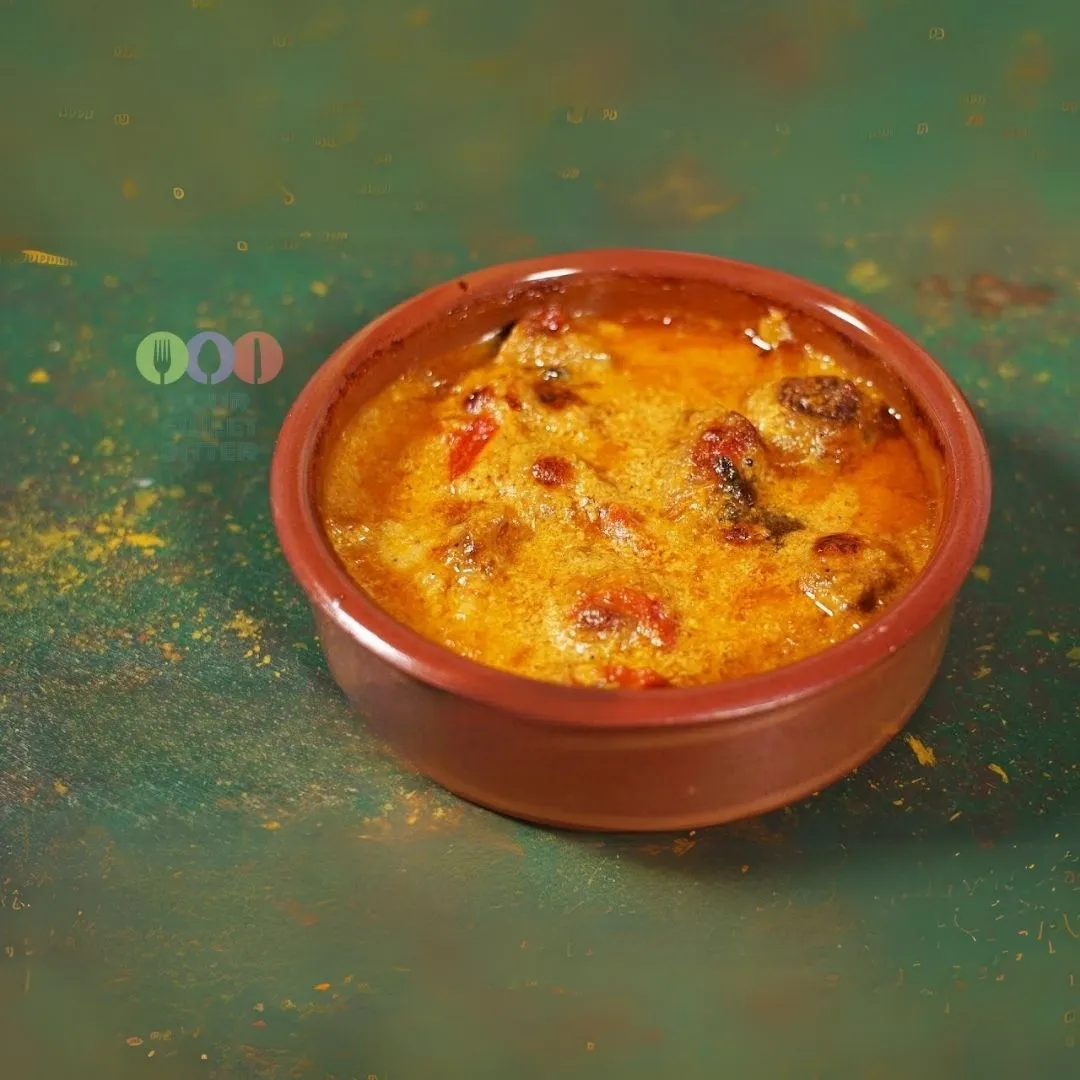

The Royal Layering of Spice: The Sovereign Heritage of Indian Biryani
Lift the heavy dough seal off a traditional clay pot of steaming biryani, and you will instantly experience the absolute pinnacle of South Asian culinary drama. To a passing diner at a buffet, this dish might look like a colorful plate of mixed rice and meat. However, in Indian food culture, biryani represents an undisputed sovereign masterpiece. This majestic creation dates back to the opulent kitchens of the Mughal Empire. Eventually, it transformed from an exclusive royal luxury into a national passion that proudly celebrates India’s profound mastery over aromatic spices.
A Gift of Nutrition Born in Royal Palaces
The historical origins of this aromatic dish feature a brilliant story of military care and strategic nutrition. For instance, popular legends point toward the legendary royal queen Mumtaz Mahal during the 17th century. She visited the army barracks and noticed that the soldiers looked incredibly weak and malnourished. Consequently, she ordered the royal chefs to create a single, complete dish that combined rice, meat, and heavy spices to feed the troops efficiently. As a result, this slow-cooked culinary fusion emerged, beautifully blending Persian cooking styles with vibrant Indian spices.
The Ancient Poetry of Dum Pukht Cooking
In authentic Indian culinary philosophy, people highly respect the traditional technique known as “Dum Pukht.” This term literally translates to “breathing oven,” which represents a masterclass in slow, pressurized cooking. For example, true experts never simply toss the ingredients together in a frying pan. Instead, they carefully layer parboiled, premium basmati rice with heavily marinated meats and caramelized onions. They then seal the entire pot with a thick ring of wheat dough to trap every single drop of steam. Because the ingredients cook entirely in their own natural juices over low coals, they achieve a heavenly depth of flavor.
A Diverse Mosaic of Regional Pride
What truly makes biryani an extraordinary cultural icon is how it masterfully adapts to different regional identities across the Indian subcontinent. Depending on your specific travel destination, you will discover completely unique interpretations of this single dish. For instance, Hyderabad serves a fiercely spicy, saffron-infused version, while Kolkata includes tender, slow-cooked potatoes and hard-boiled eggs. Every single region fiercely defends its own local recipe with immense culinary pride. Ultimately, this steaming masterpiece invites you to slow down, inhale the rich cardamom smoke, and enjoy a genuine taste of Indian history.
Discover Traditional from India Discover Traditional Asian Recipes You may like this also: Filipino Bulalo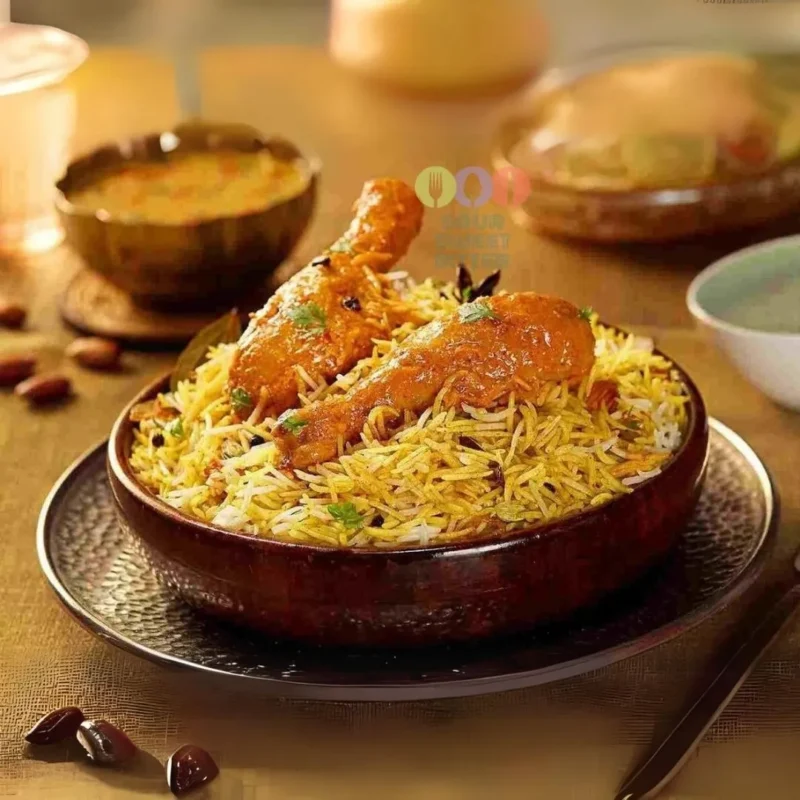
Indian Biryani
Ingredients
For Marinating the Meat:
For Rice:
For Biryani:
Instructions
Marinate the Meat:
- In a bowl, mix the meat with yogurt, ginger-garlic paste, red chili powder, turmeric powder, garam masala, salt, and lemon juice.
- Cover and let it marinate for at least 1 hour (preferably overnight for a richer flavor).
Prepare the Rice:
- Bring 4 cups of water to a boil in a large pot. Add the bay leaf, cloves, cardamom, cinnamon stick, and salt.
- Add the soaked rice and cook until it is 70% cooked (the grains should still have a slight bite). Drain the rice and set it aside.
Cook the Meat:
- Heat ghee or oil in a large pot. Add sliced onions and fry until golden brown. Remove half of the onions for garnishing later.
- Add tomatoes and green chilies to the remaining onions in the pot. Cook until tomatoes turn soft.
- Add the marinated meat to the pot and cook on medium heat until the meat is almost cooked and the oil begins to separate.
Layer the Biryani:
- In a separate bowl, mix the saffron with milk.
- In the pot with the cooked meat, layer half of the partially cooked rice over the meat. Sprinkle half of the chopped coriander and mint leaves over the rice.
- Add the remaining rice and sprinkle the rest of the mint and coriander leaves. Drizzle the saffron milk and biryani masala powder over the top. Add the fried onions.
- Cover the pot with a tight-fitting lid. Cook on low heat (preferably using a heavy-bottomed pan) for about 20-25 minutes, allowing the steam to cook the rice fully and blend the flavors.
Serve:
- Once done, fluff the rice with a fork. Serve hot, garnished with fried onions and a side of raita or salad.
Your traditional Indian Biryani is ready. Khush Raho!