
The Warmth of Cairo Nights: The Heritage of Egyptian Halabesa
Few street treats capture the cozy spirit of winter in Egypt quite like halabesa. To an outsider, it might look like a simple cup of spiced chickpea broth. However, in Egyptian food culture, this comforting drink represents a beloved seasonal ritual. Locally also known as “Hummus El Sham,” it serves as the ultimate winter comfort food. Eventually, it transformed from a humble coastal recipe into a national street food phenomenon, deeply woven into the fabric of Egyptian nightlife.
A Tradition Born along the River Nile
The tradition of enjoying halabesa is closely tied to Egypt’s unique social geography. For instance, as soon as the chilly winter winds hit Cairo, mobile street vendors set up their carts. These colorful carts especially line the banks of the Nile River and the crowded city bridges. Vendors keep the savory broth boiling in massive, shiny aluminum pots. Because the enticing aroma of garlic and cumin fills the night air, pedestrians naturally gather around. Consequently, sharing a hot cup of chickpeas became a social ritual that brings people together on cold evenings.
The Art of the Perfect Spice Balance
In Egyptian street food culture, people highly respect the customizable nature of halabesa. For example, a true vendor never serves it completely plain. Instead, they present the tender chickpeas in a glass cup filled with boiling, tomato-infused broth. Then, they offer distinct side bottles of fresh lime juice and fiery chili sauce, locally called “shatta.” Because each customer adjusts the sour and spicy levels according to their personal taste, the drink delivers a tailored sensory experience. As a result, it warms you up instantly from the inside out.
The Ultimate Symbol of Egyptian Street Culture
What truly sets a classic halabesa apart from modern winter soups is its sheer simplicity and accessibility. Specifically, it strikes a flawless balance of wholesome ingredients like chickpeas, tomatoes, garlic, and cumin. It completely rejects expensive fillers, making it an affordable luxury for everyone. Because it is served in a glass with a spoon and a straw, you can easily enjoy it while walking and talking. Ultimately, this spicy masterpiece invites you to slow down, embrace Egyptian traditions, and enjoy a true taste of Cairo’s winter magic.
Discover Traditional Egyptian Recipes Discover Traditional Recipes from Africa You may like this also: Algerian Berkoukes Soup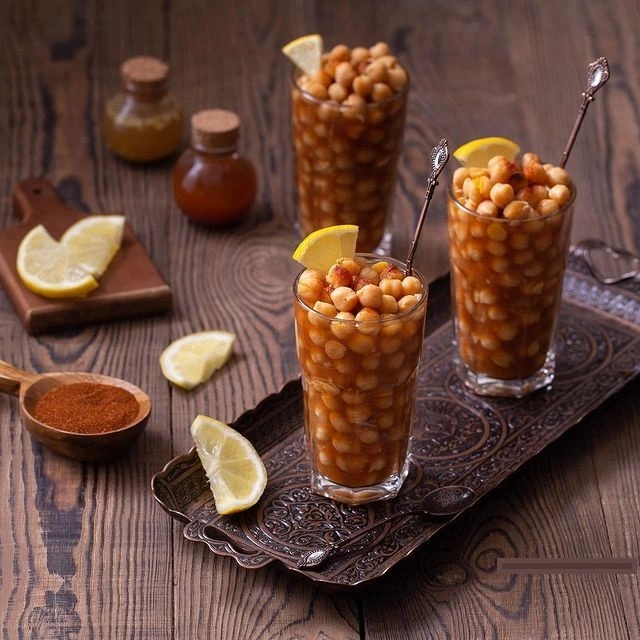
Egyptian Halabesa
Ingredients
Instructions
Prepare the Chickpeas (if using dried)
- Soak the dried chickpeas overnight in plenty of water. Drain and rinse them the next day.
- In a large pot, cover the soaked chickpeas with fresh water and bring to a boil. Reduce the heat and simmer for about 1 to 1.5 hours until the chickpeas are tender. Drain and set aside.
Cook the Soup
- In a large pot, heat the olive oil over medium heat. Add the chopped onion, garlic, carrot, and celery. Sauté until the vegetables are soft and the onion is translucent, about 5-7 minutes.
- Add the cumin, coriander, turmeric, paprika, cayenne pepper (if using), salt, and pepper. Stir well to coat the vegetables with the spices and cook for another 2 minutes to release the flavors.
- Add the chopped tomato (or canned crushed tomatoes) and cook for an additional 5 minutes, until the tomatoes have broken down a bit.
- Add the cooked (or canned) chickpeas to the pot and stir to combine.
- Pour in the vegetable or chicken broth (or water) and bring to a boil. Reduce the heat and let it simmer for about 20-30 minutes to allow the flavors to meld together.
Finishing Touches
- Stir in the lemon juice and adjust the seasoning with more salt and pepper if needed.
- Using an immersion blender, partially blend the soup to thicken it slightly while leaving some chickpeas whole for texture. If you don’t have an immersion blender, you can blend a portion of the soup in a regular blender and return it to the pot.
Serving in Glasses
- Ladle the hot Halabesa into heatproof glasses or small glass cups.
- Garnish each glass with a sprinkle of freshly chopped parsley or cilantro.
- Optionally, you can add a small wedge of lemon or a drizzle of olive oil on top for extra flavor and visual appeal.
Tips for Serving:
- Make sure the glasses you use are heatproof to avoid cracking.
- Serve the Halabesa immediately while it’s hot.
- For an added touch, you can serve the glasses on small plates with a piece of warm pita bread on the side.
This method of serving Halabesa in glasses adds a touch of elegance and allows guests to enjoy the soup in a novel and visually appealing way.
Your Egyptian Halabessa is ready. Bil Afiyet!