
The Fascinating History and Tradition of Swedish Köttbullar
A Dish Rooted in History and Global Influences
Swedish Köttbullar (meatballs) are one of the most iconic dishes in Scandinavian cuisine, yet their origins are more global than many might think. The popular belief is that King Charles XII of Sweden brought the recipe from the Ottoman Empire in the early 18th century after his exile in present-day Turkey. Over time, these foreign flavors blended with Nordic culinary traditions, evolving into the beloved Swedish meatballs we know today.
The Art of Making Authentic Swedish Köttbullar
Unlike Italian or Turkish variations, Swedish Köttbullar are traditionally smaller in size and made with a mixture of beef and pork, sometimes combined with breadcrumbs soaked in milk to create a softer texture. They are seasoned with simple yet flavorful ingredients such as salt, white pepper, allspice, and finely chopped onions. The key to achieving their signature taste lies in gently pan-frying them to a golden brown before simmering in a rich, creamy gravy.
More Than Just a Meal: A Symbol of Swedish Culture
Köttbullar are more than just a dish; they are an integral part of Swedish cultural identity. They have been a staple of family dinners, festive gatherings, and even diplomatic events. This humble yet delicious dish embodies the essence of Swedish hospitality—warm, comforting, and deeply rooted in tradition.
The Role of Lingonberry Jam and Potatoes
No serving of Köttbullar is complete without its classic accompaniments: lingonberry jam, creamy mashed or boiled potatoes, and a rich brown gravy. The tartness of lingonberry jam provides a delightful contrast to the savory meatballs, while the potatoes soak up the flavorful sauce, creating a perfect harmony of taste and texture.
Köttbullar in Modern Swedish Cuisine
Today, Swedish Köttbullar continue to evolve while maintaining their traditional essence. Many chefs experiment with new variations, incorporating different meats like venison or plant-based alternatives to cater to modern dietary preferences. Yet, the classic recipe remains a favorite, preserving its cherished place in Sweden’s culinary landscape.
Where to Experience the Best Swedish Köttbullar
While many tourists associate Swedish meatballs with IKEA’s global food courts, the best way to experience authentic Köttbullar is by visiting traditional Swedish restaurants or home kitchens. Classic establishments in Stockholm, Gothenburg, and Malmö serve these meatballs in their most authentic form, offering a true taste of Sweden’s rich culinary heritage.
A Taste of Sweden in Every Bite
Swedish Köttbullar are more than just food—they tell a story of history, adaptation, and cultural pride. Whether enjoyed in a cozy home, a bustling restaurant, or even from a well-loved Swedish brand, every bite carries the warmth and tradition of Sweden’s culinary legacy. If you haven’t tried them yet, it’s time to indulge in this timeless classic and experience a true Nordic delight.
Discover Traditional Swedish RecipesDiscover Traditional Recipes from EuropeYou may like this also: Spanish Albondigas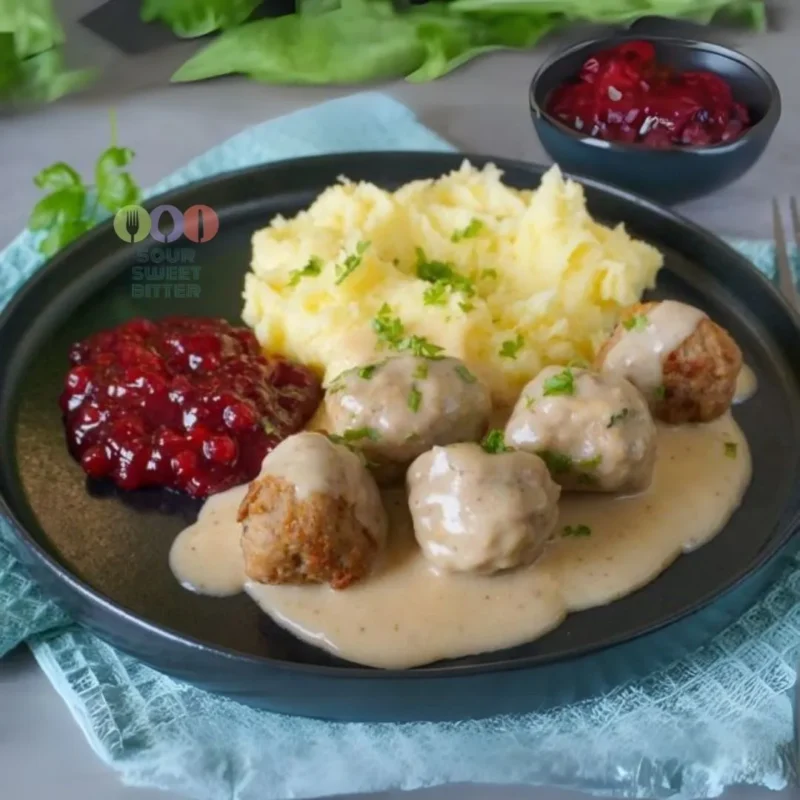
Swedish Köttbullar
Ingredients
Instructions
- Preheat oven to 225 degrees.
- Finely chop the onion and place in a large bowl.
- Add the minced meat, breadcrumbs, egg, fresh chopped thyme, salt, white pepper and black pepper.
- Mix well with your hands and then form into meatballs.
- Heat a frying pan with oil or butter and fry the meatballs over medium heat until they have a nice surface.
- Place in a baking dish and place in the middle of the oven for about 15-20 minutes.
- Serve with potatoes or mashed potatoes, cream sauce and lingonberries.
- Your traditional Köttbullar is ready. Smaklig måltid!