
The Liquid Gold of the Mediterranean: The Heritage of Limoncello
Nothing evokes the sun-drenched romance of Italy quite like a chilled glass of limoncello. This vibrant citrus liqueur is much more than just a popular drink. Indeed, it represents a liquid tribute to the Mediterranean way of life. Limoncello is deeply rooted in the coastal traditions of Southern Italy, especially along the Amalfi Coast, Sorrento, and Capri. Consequently, families have passed down this cultural staple for generations to turn simple lemon zest into a symbol of pure hospitality.
A Gift from the Sun and the Sea
The secret behind authentic limoncello lies entirely in its unique geography. For instance, the rugged cliffs of Southern Italy produce legendary lemon varieties. These include the oversized Sfusato Amalfitano and the famous Sorrento lemon. Because terraced gardens protect them from harsh winds, these fruits flourish under the intense Mediterranean sun. As a result, they develop an incredibly thick skin packed with aromatic essential oils. Coastal families originally created the drink because they wanted to preserve this seasonal sunshine in a bottle all year round.
The Ritual of the Digestivo
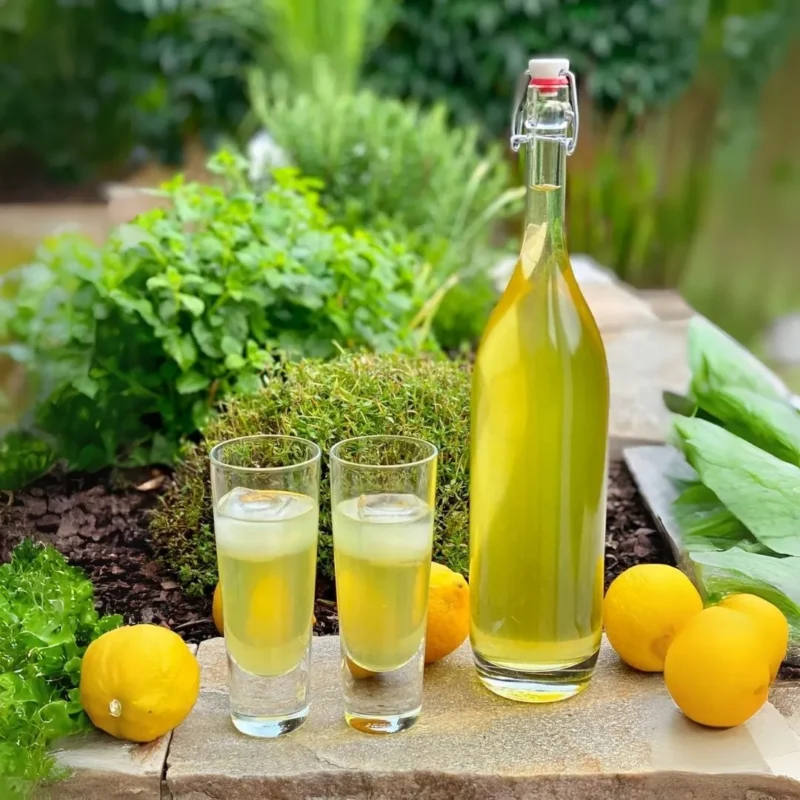
In Italian food culture, limoncello serves as the ultimate expression of the “digestivo” ritual. This time-honored tradition always takes place at the very end of a long dinner. Hosts always serve the liqueur ice-cold in small, frosted glasses. Therefore, guests must sip it slowly rather than rushing. This habit beautifully marks the transition from eating to socializing. Moreover, it settles the stomach while drawing out the conversation. When an Italian family offers you homemade limoncello, they are showing you the highest sign of warmth.
Crafted with Patience and Family Secrets
The base ingredients are incredibly minimal since you only need lemon peels, pure alcohol, water, and sugar. However, the true magic of limoncello requires the luxury of time. Almost every family in the south guards their own heirloom recipe. For example, they often debate the exact number of steeping days or the perfect sugar ratio. Making limoncello is a true act of patience. Ultimately, this slow craft rejects modern fast-paced living and invites you to bring a taste of Italian summer into your home.
Discover Traditional Italian Recipes Discover Traditional Recipes from Europe You may like this also: Peruvian Pisco SourIngredients
Instructions
- Wash the lemons well, if necessary help yourself with a sponge to remove all impurities, then dry them with a clean cloth.
- Peel the lemons, removing the white part (the albedo), which gives a sour and bitter taste to the lemon liqueur.
- Macerate the peels in one or two large airtight glass jars combine the lemon peels and alcohol. Close each jar tightly and let macerate at room temperature and in the dark for at least 6 days. Do not fill the jars completely. Shake the jars daily.
- Prepare the syrup on the seventh day, prepare the syrup for the limoncello liqueur; then, melt the sugar and water in a saucepan and bring to a boil. When done, let it cool and pour the mixture into a large jar.
- Add the syrup to the alcohol with the lemon peels, mix well and close the airtight container.
- Let the mixture sit for at least 40 days in a cool, dry place. Shake the jar regularly to mix the syrup and the infusion of alcohol and lemon peels.
After the resting time has elapsed, strain the mixture through a fine-mesh strainer.
- Pour the liqueur into glass bottles, helping yourself with a strainer. Your homemade limoncello is now ready to serve.
- Serve the fresh limoncello in small liqueur glasses.
- Your traditional Limoncello is ready. Buon Appetito!