
The Enduring Legacy of Pierogi: A Taste of Polish History and Culture
A Culinary Journey Through Time: The History of the Dumplings
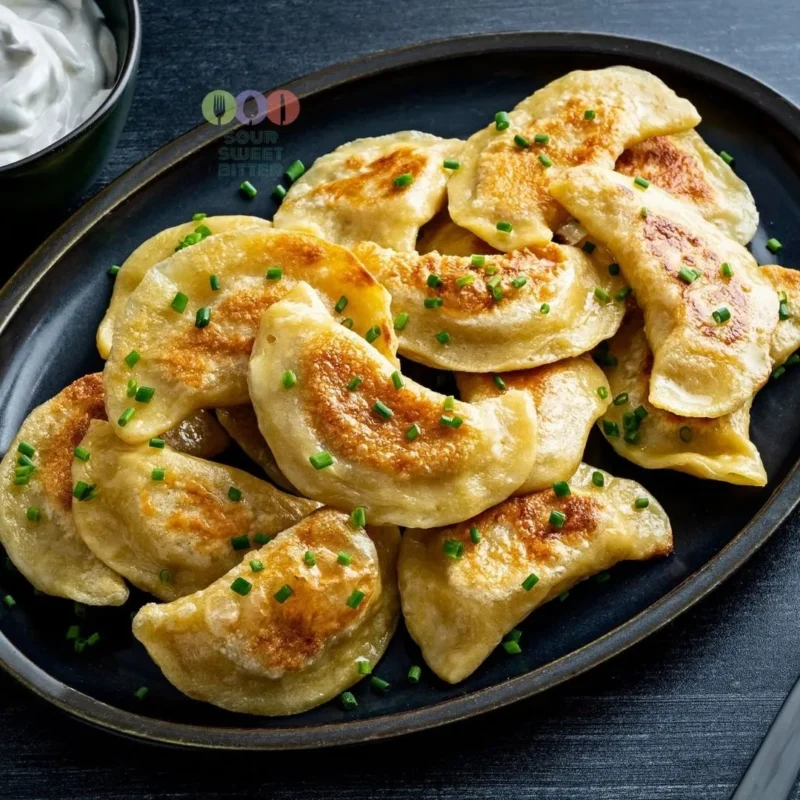
Pierogi, the beloved Polish dumplings, are more than just a dish; they are a culinary cornerstone that tells a fascinating story of history and migration. While people often debate their exact origins, it’s widely believed that these dumplings first arrived in Poland from the East, likely brought by the legendary 13th-century Saint Hyacinth of Poland. According to one popular legend, after a devastating Tatar invasion, Saint Hyacinth fed the people of Kościelec with these humble, yet filling, pockets, consequently solidifying their place as a food of sustenance and comfort.
Originally, people considered pierogi peasant food because of their simple ingredients (dough and basic fillings). However, they quickly transcended class boundaries. They became a staple on Polish tables, adapting to local ingredients and regional customs. For example, in the past, families traditionally served specific types of the dish for certain occasions:
- Kresowiaki (filled with potatoes) were common fare.
- Wesele (with cheese and eggs) were served at weddings.
- Ruskie (with potato and twaróg cheese) were for everyday meals.
This long history has cemented pierogi not just as a meal, but also as a dish woven into the social fabric of the nation.
Pierogi: The Heart of Polish Tradition and Festivity
We cannot overstate the cultural significance of pierogi in Poland. Indeed, they are a powerful symbol of Polish identity and home cooking. Therefore, for many, the sight and smell of freshly boiled and pan-fried pierogi evoke strong memories of family gatherings, especially during the festive season.
The Dumplings at Christmas Eve (Wigilia)
Pierogi play the most prominent role during Christmas Eve (Wigilia). According to Polish tradition, families must serve 12 meatless dishes, and these traditional pockets are essential. The most popular Christmas varieties include:
- Pierogi z Kapustą i Grzybami (sauerkraut and mushroom pierogi).
- Pierogi z makiem (poppy seed dumplings – often served as a sweet variation).
Preparing these is often a communal activity. That is to say, multiple generations of a family gather to fold, crimp, and share stories, making the process as meaningful as the meal itself.
Symbolism and Regional Pride
Beyond holidays, pierogi represent the resourcefulness and generosity of Polish cuisine. Moreover, they are incredibly versatile, offering both savory and sweet options:
| Type | Filling | Cultural Significance |
| Ruskie | Potato and Twaróg Cheese | The most iconic and widely known variety. |
| Mięsne | Ground Meat | Hearty, everyday staple. |
| Leniwe | Sweet Cheese Dumplings (no filling) | Often served as a children’s favorite. |
| Z Owocami | Seasonal Fruits (e.g., blueberries, strawberries) | A sweet treat for summer months. |
Each region boasts its own traditional filling and shaping technique. Consequently, this fosters a strong sense of regional pride and continues the delicious tradition of these humble, half-moon shaped delights. Learning to make this classic food is learning a piece of Polish cultural heritage.
Conclusion: A Global Ambassador for Polish Cuisine
Today, people enjoy pierogi worldwide. They are proudly served in Polish homes and restaurants across the globe. Ultimately, they serve as a delicious global ambassador for Polish culture, appealing to everyone with their comforting textures and diverse flavors. Whether you call them dumplings, pockets, or simply pierogi, they remain a hearty, historic, and culturally significant dish that truly embodies the spirit of Poland.
Discover Traditional Polish Recipes Discover Traditional European Recipes 🎄 See More Christmas Recipes 🎄Ingredients
For the dough:
For filling:
For serving:
Instructions
- Peel the onion, cut it into rings, and sauté in a pan until translucent. Grind the meat in a blender until the pieces are just noticeable.
- Add the onion, grind for a few seconds, and transfer to a bowl. Add the breadcrumbs, salt, pepper, and marjoram. Mix with a spoon and set aside.
- Cut the bacon into small cubes and sauté in a pan without adding any fat. Then reduce the heat to low to keep it warm.
- Prepare the dough. Mix all the ingredients in a food processor.
- Break off a piece and roll it out to 1/4 cm thick. Using a glass, press out a circle shape, place the filling in the center, and bring the edges together and seal with your finger.
- Cook in salted water with olive oil for 2 minutes after the dumplings rise to the surface. Repeat this process until all the ingredients are used up.
- Serve with fried bacon.
- Your traditional Pierogi is ready. Smacznego!