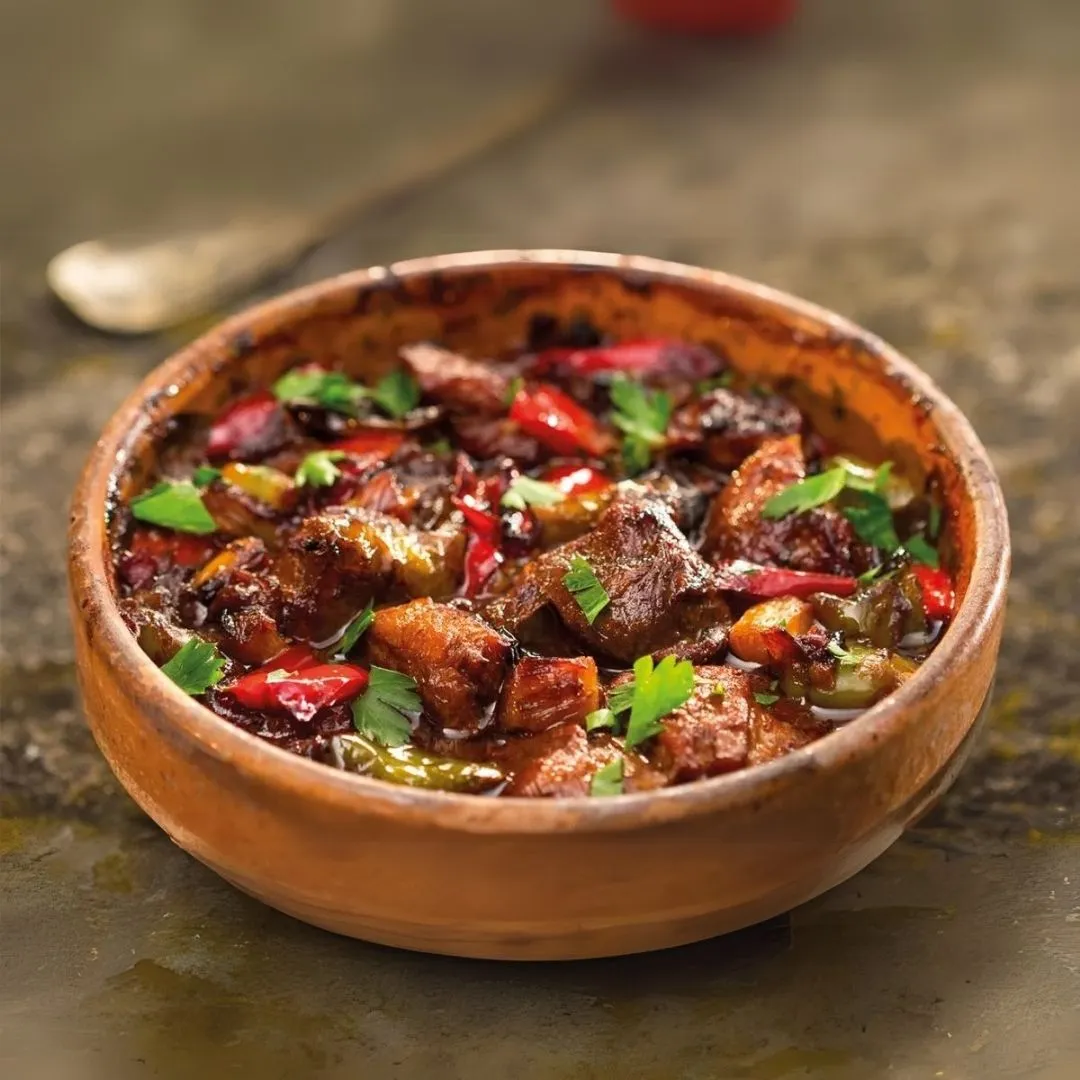


Azerbaijan Piti: The Timeless Taste of Azerbaijani Culinary Heritage
What Is Azerbaijan Piti?
Azerbaijan Piti stands as one of the most iconic traditional dishes of Azerbaijan. Cooks prepare this rich and hearty lamb stew in individual clay pots, which create deep, layered flavors that reflect centuries of Azerbaijani culinary tradition. They combine tender lamb, chickpeas, chestnuts, potatoes, and aromatic spices to produce a dish that represents both comfort and cultural identity.
Traditionally, local chefs cook Azerbaijan Piti in small earthenware pots known as dopia. They slow-bake the stew in a tandoor or oven, allowing the ingredients to blend naturally. As a result, the broth develops a concentrated flavor that feels both nourishing and complex.
The Historical Origins of Azerbaijan Piti
The roots of Azerbaijan Piti stretch back several centuries and connect closely to the culinary traditions of the South Caucasus. In particular, the city of Sheki shaped the dish into a regional specialty known as Sheki Piti.
Because Sheki served as an important stop along the Silk Road, merchants and travelers constantly passed through the region. Consequently, local cooks adapted ingredients and techniques from different cultures. Over time, they refined Azerbaijan Piti into a nourishing, high-energy meal suitable for long journeys and cold mountain winters.
Thus, families preserved the recipe across generations, strengthening its role in Azerbaijani culinary history.
Cultural Significance of Azerbaijan Piti
Azerbaijan Piti plays a central role in family gatherings, festive celebrations, and hospitality rituals. For example, hosts often serve Piti to honor special guests and demonstrate generosity. Moreover, families prepare it for weddings, holidays, and communal feasts, which reinforces its social importance.
One of the most distinctive traditions involves its two-stage serving method. First, diners pour the rich broth over pieces of bread and enjoy it as a soup. Then, they mash the solid ingredients together and eat them as a second course. Therefore, Azerbaijan Piti offers not only nourishment but also a unique culinary experience.
In addition, the slow preparation process highlights values such as patience, craftsmanship, and respect for tradition.
Traditional Ingredients and Preparation
Authentic Azerbaijan Piti typically includes:
- Lamb (often from young sheep)
- Chickpeas soaked overnight
- Chestnuts
- Potatoes
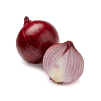
- Onion
- Saffron
- Dried mint and regional spices
Unlike many modern stews, traditional cooks rarely rely on tomatoes. Instead, they use chestnuts to add natural sweetness and texture. As a result, the dish maintains its historical character and distinctive flavor profile.
Furthermore, saffron connects Azerbaijan Piti to historic trade routes, since merchants once transported this prized spice along the Silk Road. Therefore, each ingredient reflects both culinary skill and historical exchange.
Azerbaijan Piti and Sheki’s Culinary Identity
Today, Sheki proudly promotes Azerbaijan Piti as a symbol of its regional identity. Many local restaurants specialize in this dish and continue to use traditional clay pots. Consequently, culinary tourism in Sheki often centers around tasting authentic Sheki Piti.
When travelers explore Azerbaijan, they frequently consider tasting Piti in Sheki an essential cultural experience. In this way, the dish strengthens the city’s gastronomic reputation.
Why Azerbaijan Piti Remains Popular Today
In contrast to fast food and quick cooking methods, Azerbaijan Piti represents slow and meaningful cuisine. Cooks dedicate time and attention to every stage of preparation. Therefore, they preserve not only authentic flavors but also cultural memory.
Moreover, food historians and culinary travelers increasingly recognize Azerbaijan Piti as a key symbol of Azerbaijani national identity. Because it balances simplicity with depth, it appeals to both local communities and international visitors seeking traditional South Caucasus cuisine.
Azerbaijan Piti reflects the history, Silk Road heritage, and hospitality culture of Azerbaijan. From the clay pots of Sheki to modern dining tables, families and chefs continue to celebrate this iconic dish.
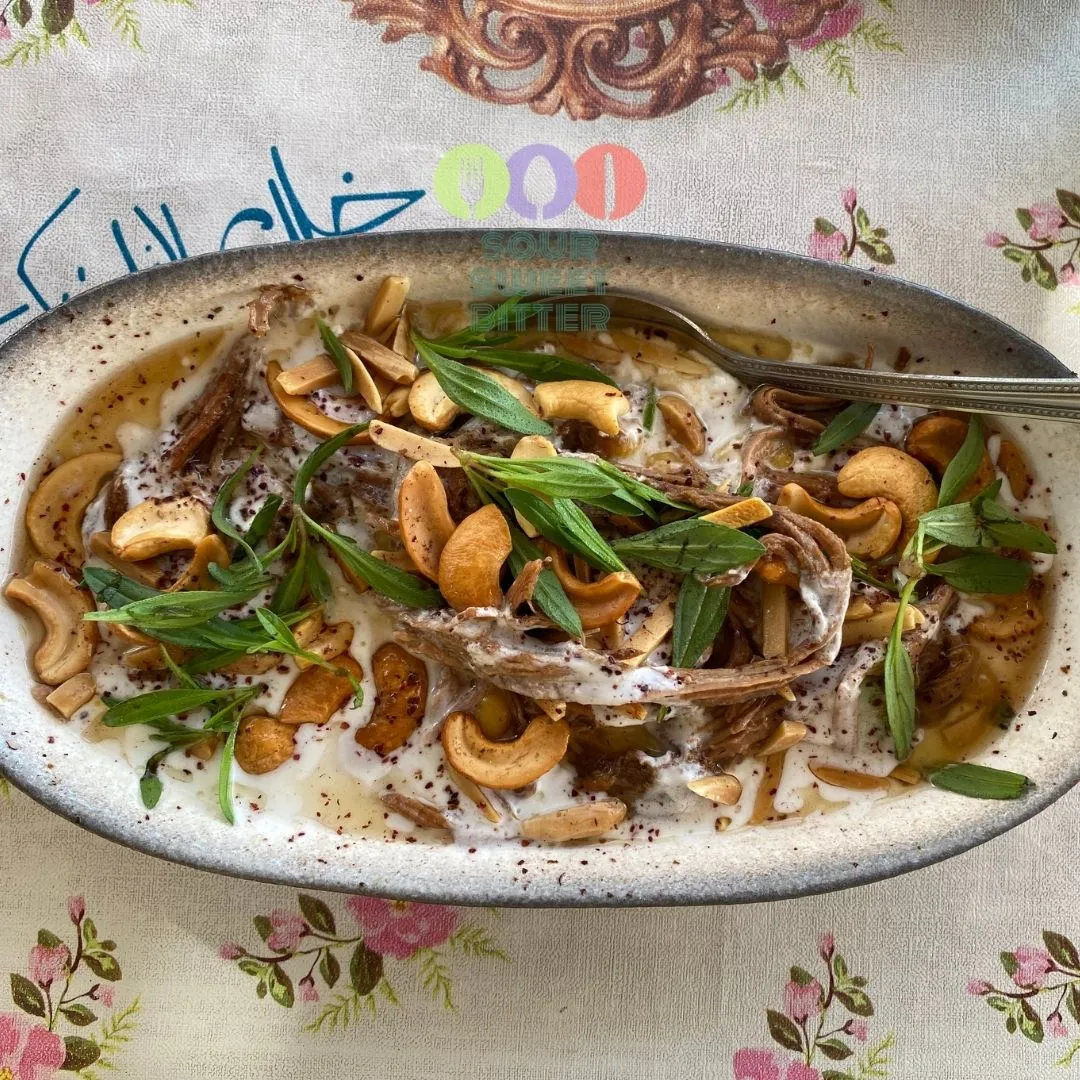
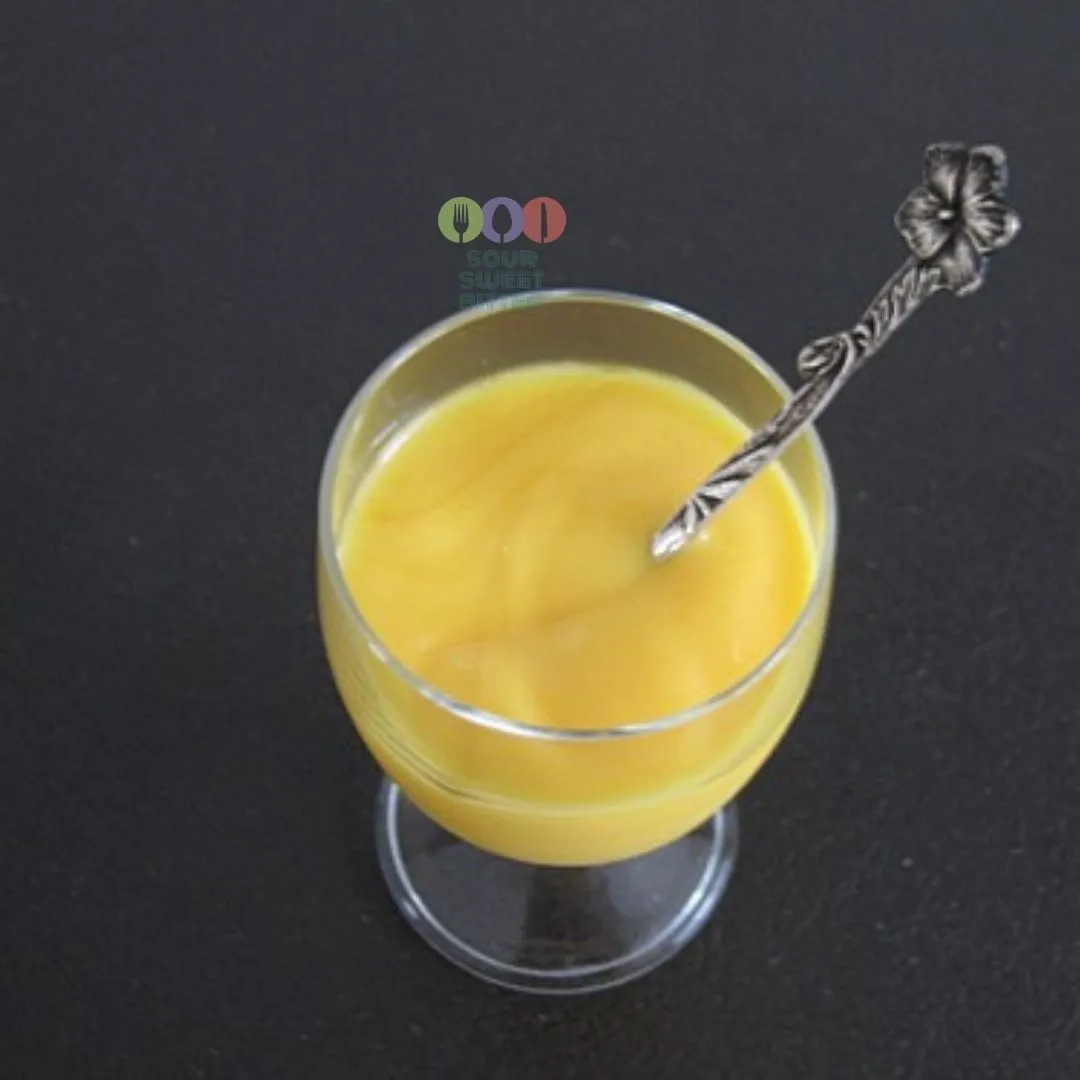
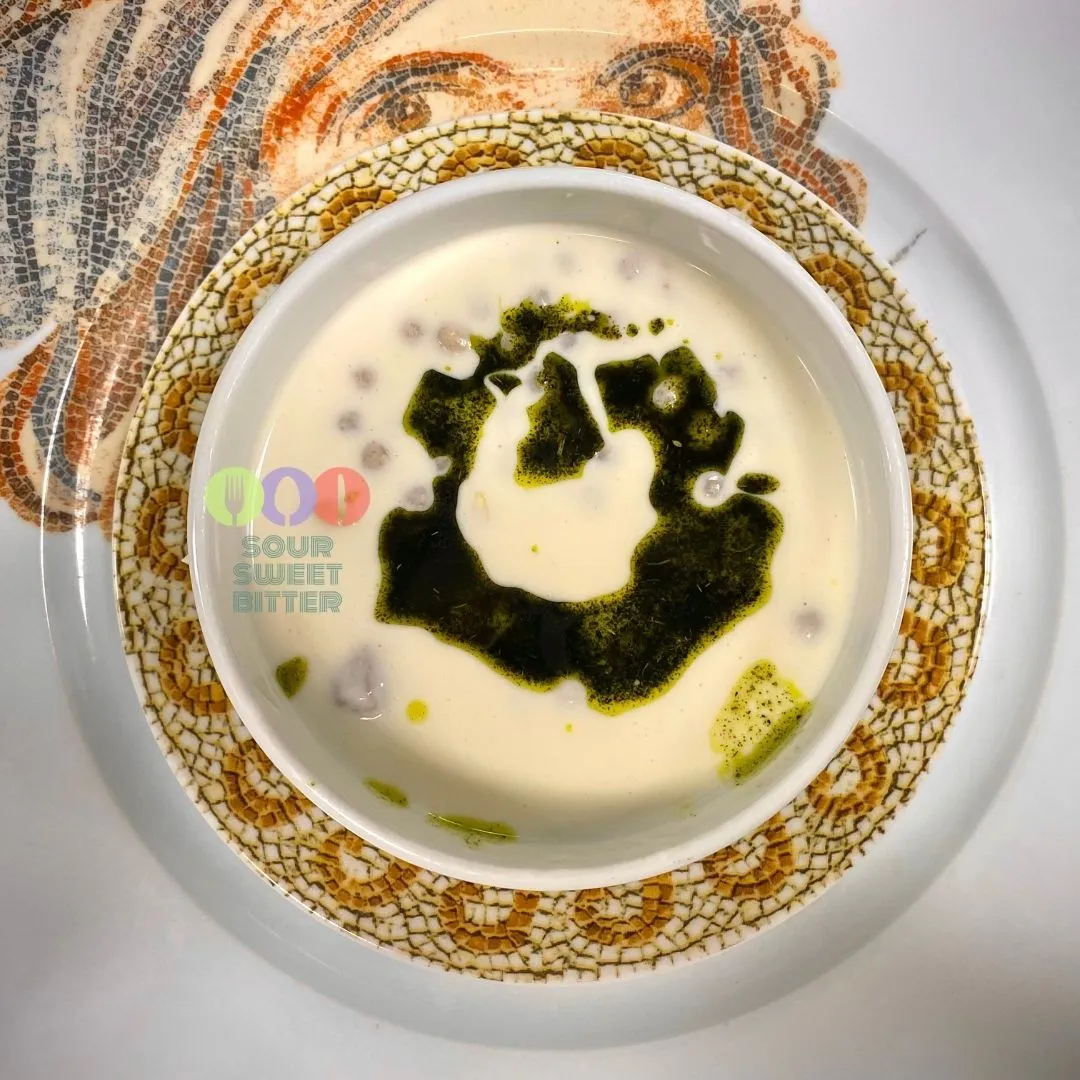
Ultimately, Azerbaijan Piti connects generations through flavor, tradition, and shared cultural pride.
Discover Traditional Azerbaijani Recipes Discover Traditional Recipes from Asia You may like this also: Mexican Pozole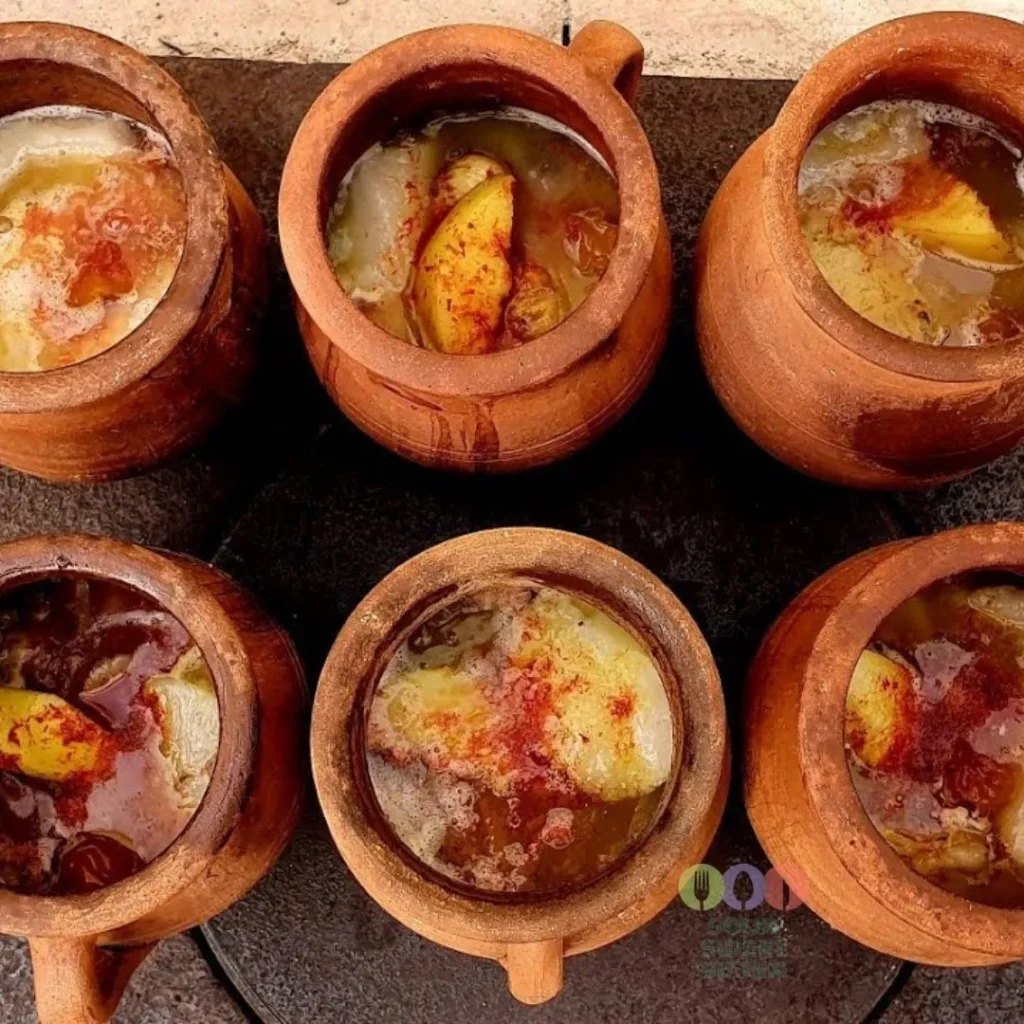
Ingredients


Instructions
-
Soak the peas in cold water one day in advance.
-
Cut the meat into medium pieces.
-
Chop the onion into small pieces.
-
Cut the tail into a flat shape, not too thick, to fit the mouth of the piti pot.
-
First, prunes are placed in the piti pot from the bottom, then peas are added, then chopped onions, chopped meat are added, and finally the flat tail is neatly placed.
-
Cold water is added until it is slightly below the mouth of the piti pot.
-
After the first boil, the meat is removed from the heat, then the heat is completely reduced and cooked over low heat.
-
When the peas are soft, salt and saffron (it is advisable to use real saffron) are added.
-
When the peas are completely soft, the piti is considered cooked.
-
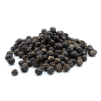
Sumac and pepper are added at the table.
-
Your traditional Piti is ready. İştahınız xeyir!
Note
Depending on the summer season and the season, chestnuts, quince, and tomatoes are also added to piti. In such cases, cherry plum and saffron are not added.