

Turkish Yuvalama: A Culinary Heritage from Gaziantep
What Is Turkish Yuvalama?
Turkish yuvalama is a festive dish from Gaziantep, a city known for its rich food culture. In fact, UNESCO added Gaziantep to its Creative Cities Network for Gastronomy. Therefore, many local dishes, including yuvalama, now receive global attention.
At its core, yuvalama combines tiny hand-rolled meatballs, rice, chickpeas, and a warm yogurt broth. The name comes from the Turkish verb yuvarlamak, which means “to roll.” This name clearly refers to the careful rolling of the small meatballs. Although the ingredients are simple, the process requires time and teamwork.
Historical Roots in Anatolia
To understand yuvalama, it helps to look at the history of Anatolia. For centuries, Anatolia has served as a meeting point of cultures. As a result, its cuisine blends Central Asian, Middle Eastern, and Mediterranean traditions.
Turkic communities brought meat and grain dishes to the region. Meanwhile, cooks across the Ottoman lands perfected yogurt-based soups. Over time, families in Gaziantep combined these elements and shaped yuvalama into a special holiday meal. Thus, the dish reflects both migration and local creativity.
A Dish of Celebration and Family Unity
Yuvalama plays a key role during religious holidays. For example, many families prepare it for Eid al-Fitr, which marks the end of Ramadan. On that morning, relatives gather in the kitchen and roll hundreds of tiny meatballs together.
This shared effort strengthens family ties. Instead of cooking alone, each person takes part in the process. Consequently, the dish becomes more than food; it becomes a symbol of unity and care. In Gaziantep homes, serving yuvalama to guests shows respect and generosity.
Ingredients and Preparation
The main ingredients include ground lamb, rice, chickpeas, yogurt, egg, and butter. First, cooks mix the meat with rice and shape it into very small balls. Next, they cook chickpeas until soft. Then they gently heat strained yogurt with egg to create a smooth broth.
Cooks stir the yogurt slowly so it does not curdle. After that, they add the meatballs and chickpeas. Finally, they finish the dish with melted butter, often flavored with dried mint. Because each step demands attention, yuvalama teaches patience and skill.
Cultural and Global Importance
Today, yuvalama stands as a strong symbol of Gaziantep’s food heritage. Thanks to UNESCO recognition, the city’s culinary traditions now reach a wider audience. As interest in traditional cuisine grows, more people discover dishes like yuvalama.
Moreover, this meal reminds us of the value of time and cooperation. In a fast-moving world, preparing yuvalama encourages families to slow down and work together. For that reason, it remains an important part of Turkish culinary culture.
In short, yuvalama connects history, family, and flavor in one bowl.
Discover Traditional Turkish Recipes Discover Traditional Recipes from Europe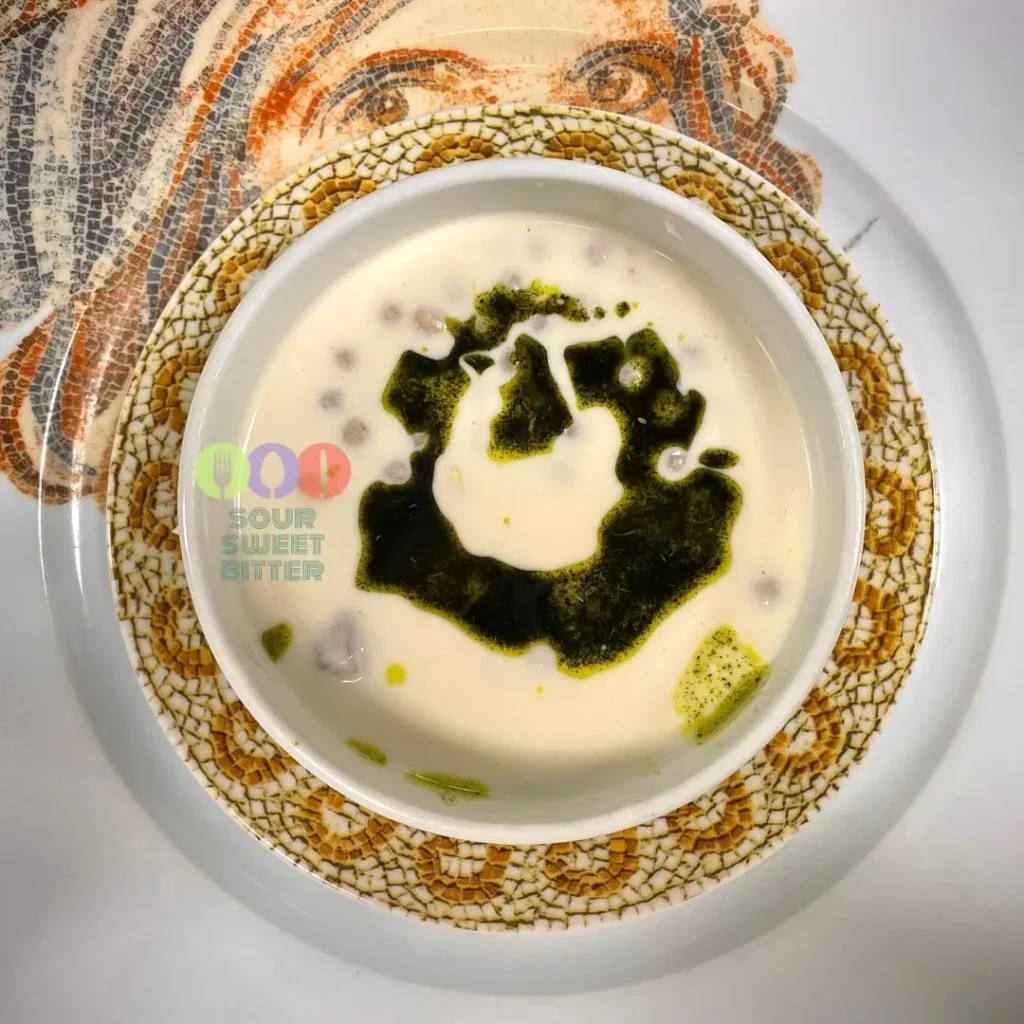
Ingredients




Instructions
-
Soak the chickpeas overnight, then boil them in lightly salted water and drain (you can peel the skins if you wish).
-
Add the meat, 1 dried onion, salt, and a few peppercorns, then add enough water and cook by boiling. Drain the water and set it aside to cool. Adjust the cooking water so that 1.5 cups remain.
-
Soak the rice in boiling water with a little salt at least 2 hours beforehand.
-
After this time, drain the water, rinse, and dry on a kitchen towel.
-
Using a mortar and pestle, grind the rice until it resembles flour, leaving some small pieces (I ground it in a mortar and pestle).
-
Add the ground rice to the minced meat and continue grinding them together until the rice and meat are well combined.
-
Add the egg white, salt, and pepper to the ground meat and knead until it forms a paste. The meatball mixture needs to be kneaded very well.
-
Grease your hands with olive oil and roll the meatballs into chickpea-sized balls, then arrange them on a baking tray.
-
Put 1.5 liters (approximately 6 cups) of water in a pot and bring it to a boil.
-
Once boiling, add the meatballs.
-
Once the meatballs are cooked, add the egg yolk to the yogurt and whisk. When you have a homogeneous mixture, mix the lukewarm 1.5 cups of meat broth with the yogurt sauce and gradually add it to the pot with the meatballs, stirring constantly.
-
Stir until it starts to boil, then reduce the heat and simmer for another 10 minutes. Add the cooked chickpeas, meat, and salt, cook for another 2 minutes, and remove from the heat.
-
Heat butter in a pan, add plenty of dried mint to the hot oil, stir, and you can either pour it over the dish or drizzle it over the food when serving.
-
Your traditional Yuvalama Soup is ready. Afiyet Olsun!