

Hallaca: A Festive Venezuelan Tradition
The Hallaca is more than just a dish; it is a delicious symbol of Venezuelan identity, culture, and the spirit of Christmas. This complex, flavorful delicacy is the undisputed star of the holiday table. It represents a delicious fusion of diverse historical influences.
The Historical Roots of the Hallaca
The precise origin of the Hallaca is debated. However, most experts accept that its beginnings trace back to the colonial era (16th to 18th centuries). Many believe the dish originated from the ingenuity of enslaved people and indigenous servants on large colonial estates (haciendas).
- The “Leftover” Theory: One prominent theory suggests necessity gave birth to the Hallaca. Servants would collect the leftovers from the wealthy landowners’ tables. These included scraps of meat, poultry, and vegetables. They mixed them with a seasoned stew (guiso). Then, they wrapped this mixture in corn dough and plantain leaves (which were abundant) before cooking. This resourceful act turned humble ingredients into a complete, nourishing meal. Eventually, it evolved into the refined dish we know today.
- Syncretism and Influence: The Hallaca’s evolution reflects Venezuela’s cultural syncretism. First, the corn dough (masa) and the use of the plantain leaf wrap came from indigenous culinary traditions. Furthermore, the rich, savory stew (guiso) incorporates several ingredients. These include ingredients and techniques brought by the Spanish colonizers (olives, capers, raisins). Other trade routes introduced African and other European influences.
Thus, this “humble” preparation was later adopted by all social classes. It became increasingly elaborate and richer. It transformed into the quintessential Christmas delicacy.
Cultural and Social Significance
The Hallaca holds a profound place in the Venezuelan heart. Therefore, its preparation and consumption become a vital cultural ritual.
A Symbol of Unity and Family
The Hallaca making day (the “Hallaca making day” or día de la hallaca) is a major family and community event. Typically, it happens in the weeks leading up to Christmas. It involves a collective effort lasting multiple days:
- Preparation of the Guiso (Stew): Families often do this first. It requires slow cooking and careful seasoning.
- Kneading the Dough and Assembly: Family members gather to form the dough. Next, they spread it on the plantain leaves. They add the guiso and apply the final garnishes (like peppers, onions, and chick-peas).
- The Wrapping and Tying: The skill for the delicate process of wrapping the Hallaca and tying it with string is often passed down through generations.
This collaborative process is essential. It transforms the task from simple cooking into a social bonding experience. It serves as a time for storytelling, sharing recipes, and reinforcing familial ties.
Regional Variations and Identity
Every region, and often every family, has its own unique Hallaca recipe. Specifically, these differences reflect the local availability of ingredients and historical preferences. These variations are sources of regional pride and culinary identity. They might involve the sweetness of the dough, the type of meat in the guiso, or the inclusion of specific garnishes. For instance, Hallacas from the Andes may feature a different type of filling than those from the East or the Central regions.
Hallacas as a Diplomatic Gift
During the Christmas season, Venezuelans frequently give Hallacas as gifts. They share them with neighbors, friends, and co-workers. This act of sharing is a deeply ingrained custom. It symbolizes goodwill, hospitality, and appreciation. Receiving a Hallaca shows that the family includes you in their festive celebration.
In conclusion, the Hallaca is a delicious, layered narrative. It stands as a testament to Venezuela’s history, its people’s resourcefulness, and the enduring importance of family unity during the holidays. It tastes like a Venezuelan Christmas.
Discover Traditional Venezuelan Recipes Discover Traditional South American Recipes 🎄 See More Christmas Recipes 🎄 You may like this also: Greek Kleftiko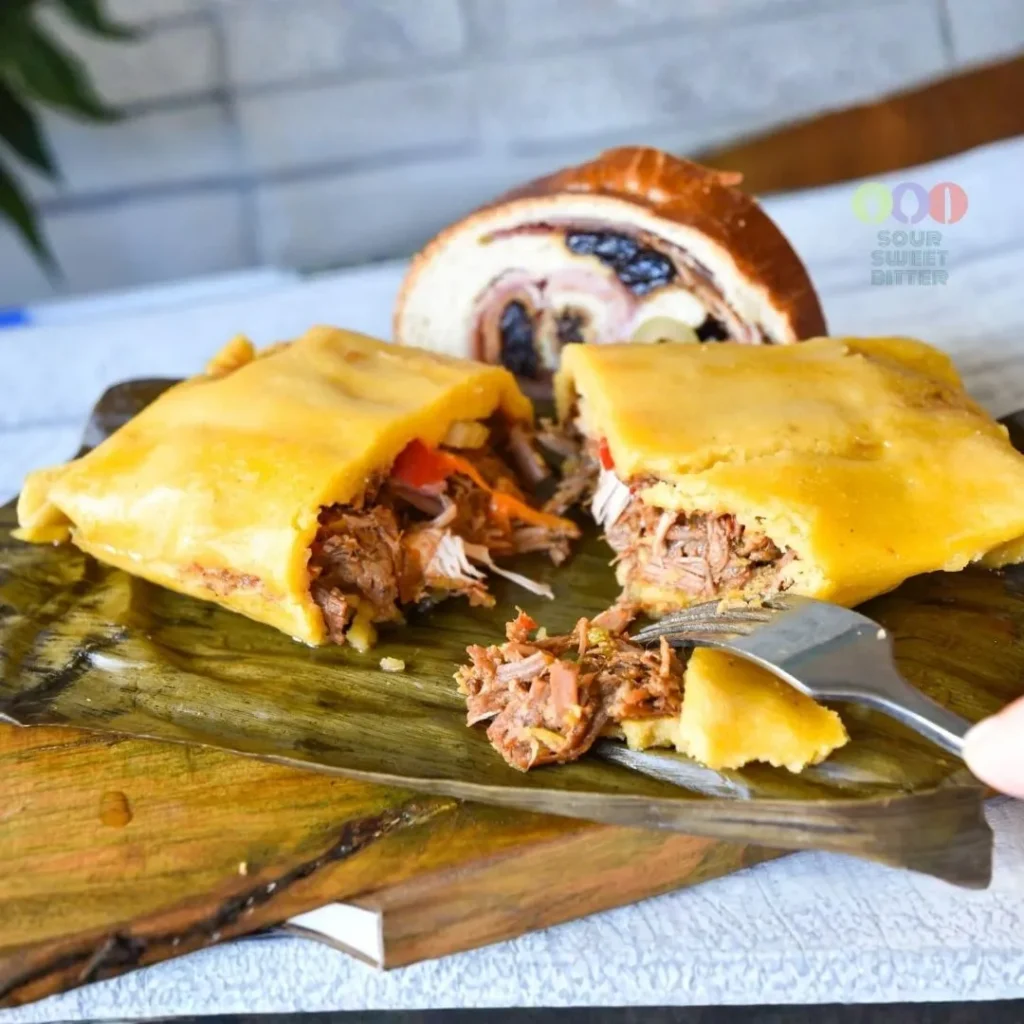
Ingredients
For the filling:
For the hallaca dough:

For decoration:
For wrapping the hallacas:
Instructions
For the filling:
-
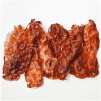
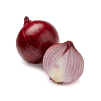
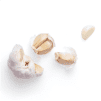
Cut the beef, pork, chicken, and bacon into small pieces. Set aside in a food processor, and blend in the onion, scallions, bell peppers, and garlic.
Process until you have a purée. In a large pot over medium heat, cook the bacon and add the vegetable purée.
-
Stir and cook for 1 to 2 minutes, until the mixture softens slightly. Add the pork, beef, and chicken, and stir.
Stir in the spices, brown sugar, and wine, and bring to a boil. Reduce the heat and simmer for about 4 hours, stirring frequently, until the meat is tender and easily shreds.
-
Remove the pot from the heat and let it cool. It is recommended to refrigerate the stew overnight.
Preparing the Leaves:
-
Wash the leaves with water and clean them well with a damp cloth, then dry them with another dry cloth.
-
Separate the leaves into two types: the larger one, which will hold the dough and filling for the hallaca; and the smaller one, which will be used to cover the tamale while it cooks.
-
Remove the central stem from the leaves to make folding them easier.
-
Preparing the Dough:
-
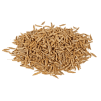
Add water to a pot and heat until boiling. Dissolve the chicken bouillon cubes, mix, and remove from the heat. Separately, in a hot pan, add the lard and annatto paste, and cook until the lard melts and the annatto seeds release their color.
-
Remove from the heat and let cool. In a large bowl, place the masarepa and gradually incorporate the chicken broth and room-temperature butter.
-
Knead vigorously and add the lard with the annatto and salt to taste. The dough should be smooth and yellowish in color.
-
Divide the dough into equal-sized balls.
-
Preparation for assembling and wrapping the hallacas:
-
Moisten a large leaf with a little vegetable oil. Place a ball of dough in the center of the leaf.
-
Then, spread the dough with your hands in a circular motion until it reaches a thickness like the one shown in the video.
-
In the center of the dough, add one and a half tablespoons of the filling with its juice.
-
On top of the filling, add 2 onion rings, a strip of bell pepper, a sprig of parsley, 3 raisins, 2 chickpeas, 2 capers, 2 olives, and a small piece of bacon.
-
To tie the hallacas, bring the wider edges of the leaf together upwards. Create a fold until it is completely sealed.
-
Fold the other two ends inwards and roll up with the smaller leaf. Tie the hallacas with the previously cut kitchen twine (approximately 1.5 meters long).
-
Cross the hallacas three times in each direction (horizontal and vertical) with the string and tie with a knot or a bow.
-
Bring water to a boil in a large pot. Add the hallacas, cover the pot, and simmer for an hour and a half. Repeat with the remaining hallacas.
-
They can also be cooked in two pots simultaneously. Remove the pot from the heat and drain (it's recommended to stand the hallacas upright).
-
Let them cool and store them in the refrigerator until ready to serve. Making hallacas takes time, so they are usually prepared in large batches.
-
They can be stored in the refrigerator for up to four weeks. To reheat the hallacas, bring water to a boil in a deep pot over high heat and add the hallacas you wish to reheat (they should be covered by the water).
-
Cook over medium heat for 20 minutes. Remove the pot from the heat, drain the hallacas, cut the string, remove the leaves.
-
Your traditional Hallaca is ready. ¡Buen provecho!