
Brisket Fatteh: A Layered Story of Flavor, Memory, and Heritage
Lebanese cuisine carries centuries of history in every bite, and few dishes express this as beautifully as Lebanese brisket fatteh. This comforting, layered meal brings together tender meat, toasted bread, and creamy yogurt in a way that feels both humble and deeply meaningful. Beyond its rich taste, brisket fatteh reflects the cultural identity, social traditions, and culinary evolution of Lebanon.
A Dish Rooted in the Meaning of “Fatteh”
The word fatteh comes from the Arabic verb meaning “to crumble” or “to break into pieces.” This simple idea shapes the entire dish. Pieces of bread form the base, absorbing flavors from yogurt, broth, and meat. Over time, this concept spread across the Levant, yet each region developed its own interpretation.
In Lebanon, brisket fatteh stands out for its balance. The softness of yogurt meets the crisp texture of toasted pita, while slow-cooked beef adds depth and richness. As a result, the dish feels both nourishing and refined.
Historical Layers Behind the Plate
Fatteh has deep roots in Middle Eastern culinary history. Traditionally, it was a practical solution to avoid food waste. Families used leftover bread and combined it with whatever ingredients they had on hand. Over generations, this necessity turned into a celebrated dish.
Lebanon’s version evolved with the country’s access to diverse ingredients and influences from neighboring regions. The addition of brisket reflects a shift toward more elaborate meals, often prepared for special occasions. This transformation shows how a simple concept can grow into a symbol of hospitality and abundance.
A Symbol of Gathering and Generosity
Food in Lebanon often centers around sharing, and brisket fatteh fits perfectly into this tradition. It is commonly served during family gatherings, religious occasions, and festive meals. The dish is usually placed at the center of the table, encouraging everyone to gather around and enjoy together.
Moreover, its layered presentation mirrors the idea of unity. Each component—bread, yogurt, meat, and toppings—plays a role, yet none dominates. This harmony reflects the Lebanese approach to both food and social life.
The Cultural Importance of Bread and Yogurt
Two key elements define brisket fatteh: bread and yogurt. In Lebanese culture, bread is more than a staple. It represents sustenance, respect, and even gratitude. Using bread as the foundation of the dish highlights its central role in daily life.
Yogurt, on the other hand, adds freshness and balance. Its tangy flavor complements the richness of the meat. In many Middle Eastern traditions, yogurt-based dishes are associated with comfort and nourishment, making fatteh both satisfying and soothing.
From Everyday Meal to Culinary Identity
While fatteh began as a practical dish, it now holds a place in Lebanon’s culinary identity. Restaurants and home cooks alike continue to reinterpret it. Some add nuts for texture, while others enhance the dish with aromatic spices.
Despite these variations, the essence remains unchanged. Brisket fatteh still tells a story of resourcefulness, adaptation, and cultural pride. It connects modern Lebanese cuisine with its historical roots, offering a taste that feels both familiar and timeless.
Discover Traditional Lebanese Recipes Discover Traditional Recipes from Asia You may like this also: German Sauerbraten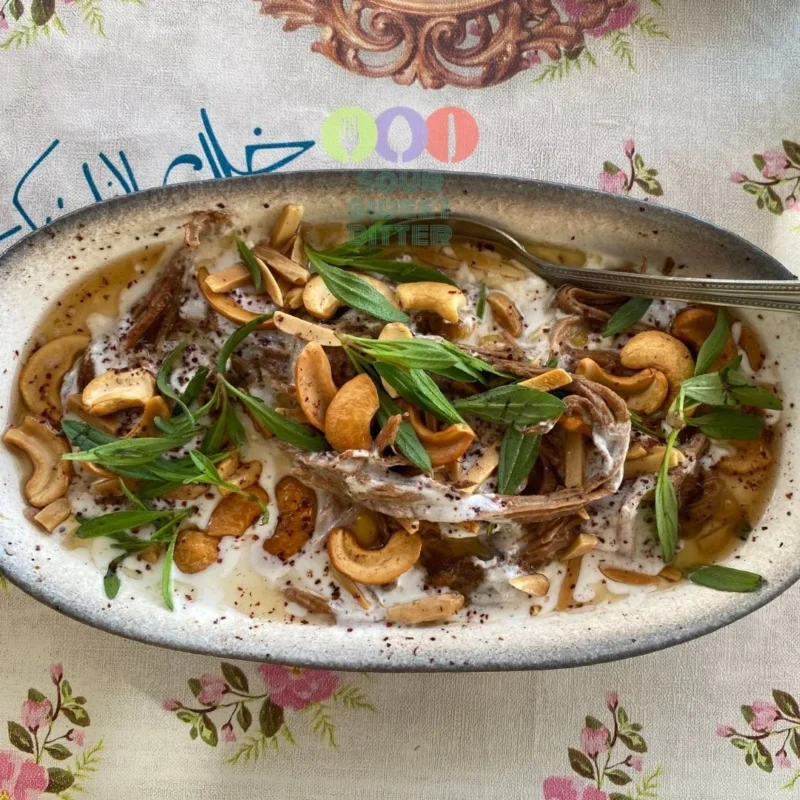
Lebanese Brisket Fatteh
Ingredients
For toasting and garnish:
Optional garnishes:
Instructions
Prepare the brisket (braise for tenderness—key for traditional slow-cooked meat feel):
- Cut the brisket into large chunks or leave whole if using a pressure cooker/slow cooker.
- Season generously with salt, pepper, and half the 7-spice blend. Heat oil in a pot or pressure cooker over medium-high. Sear the brisket on all sides until browned (5–10 minutes).
- Add enough water or broth to cover halfway, plus minced garlic and any onion. Pressure cook for 45–60 minutes (or simmer on stovetop/low in slow cooker for 3–4 hours) until fork-tender.
- Shred or slice thinly against the grain once cooled slightly. Reserve some cooking liquid if needed for moisture.
- Sauté the shredded brisket briefly in a skillet with remaining spices and a bit more oil/garlic for crispy edges (2–4 minutes).
Set aside and keep warm.
Tip: For quicker modern versions, use pre-cooked or leftover brisket; slice thin and stir-fry with spices.
Prepare the pita bread:
Cut or tear pita into bite-sized triangles or squares. For traditional crunch: Deep-fry in hot oil until golden (watch closely, 1–2 minutes). Drain on paper towels.
Healthier option: Brush with oil, sprinkle with salt/sumac, and bake at 350–375°F (180°C) for 8–12 minutes, flipping halfway, until crispy. Set aside. Do this just before assembly to maintain crunch.
Warm the chickpeas:
- In a saucepan, heat chickpeas with a bit of their liquid, minced garlic, cumin, salt, and pepper over medium heat for 5–10 minutes until warmed and flavored. Mash lightly if desired for creaminess, or leave whole. Keep warm.
Make the yogurt-tahini sauce:
- In a bowl, whisk yogurt, tahini, crushed garlic, lemon juice, and salt until smooth and creamy. Taste and adjust acidity/salt/garlic. Thin with 2–4 tbsp warm chickpea liquid or water if it’s too thick (it should be pourable but not watery). Some traditional recipes add a bit of vinegar for extra tang. Set aside at room temperature or warm gently if preferred.
Toast the nuts and prepare butter:
- In a small pan, melt butter/ghee over low-medium heat. Add pine nuts or almonds and toast, stirring, until golden (2–4 minutes—do not burn). Remove from heat; the residual heat will continue browning. Set aside with the browned butter for drizzling.
Assemble the fatteh (layer just before serving to prevent sogginess):
- In a large shallow serving dish or individual bowls: Base layer: Spread most of the crispy pita pieces.
Spoon over warm chickpeas (some versions add a thin hummus spread here for extra creaminess).
Pour or dollop a generous layer of yogurt-tahini sauce.
- Meat layer: Scatter the spiced, warm brisket evenly over the sauce.
- Top: Remaining pita crumbles (for extra crunch), more sauce if desired, toasted nuts, a drizzle of the browned butter, chopped parsley, and any optional garnishes like sumac or pomegranate seeds.
- Traditional variations may repeat layers (bread-sauce-chickpeas-bread-sauce) or soak some bread slightly in chickpea liquid/sauce for softness contrasting crunch.
Serve immediately:
- Fatteh is best hot or at room temperature, eaten family-style with spoons. Pair with fresh sides like sliced vegetables, pickles, olives, or labneh for balance. It becomes soggy if it sits too long—prepare components ahead but assemble at the table.
Your traditional Lebanese Brisket Fatteh is ready. شهية طيبة!